CH-00 // RAWINPUT

Every millisecond,
accounted for.

A low latency PC club for input perfectionists. Wired seats, a 540Hz row, and a bench that films your screen to print your real click-to-photon. No magic — only measured numbers.

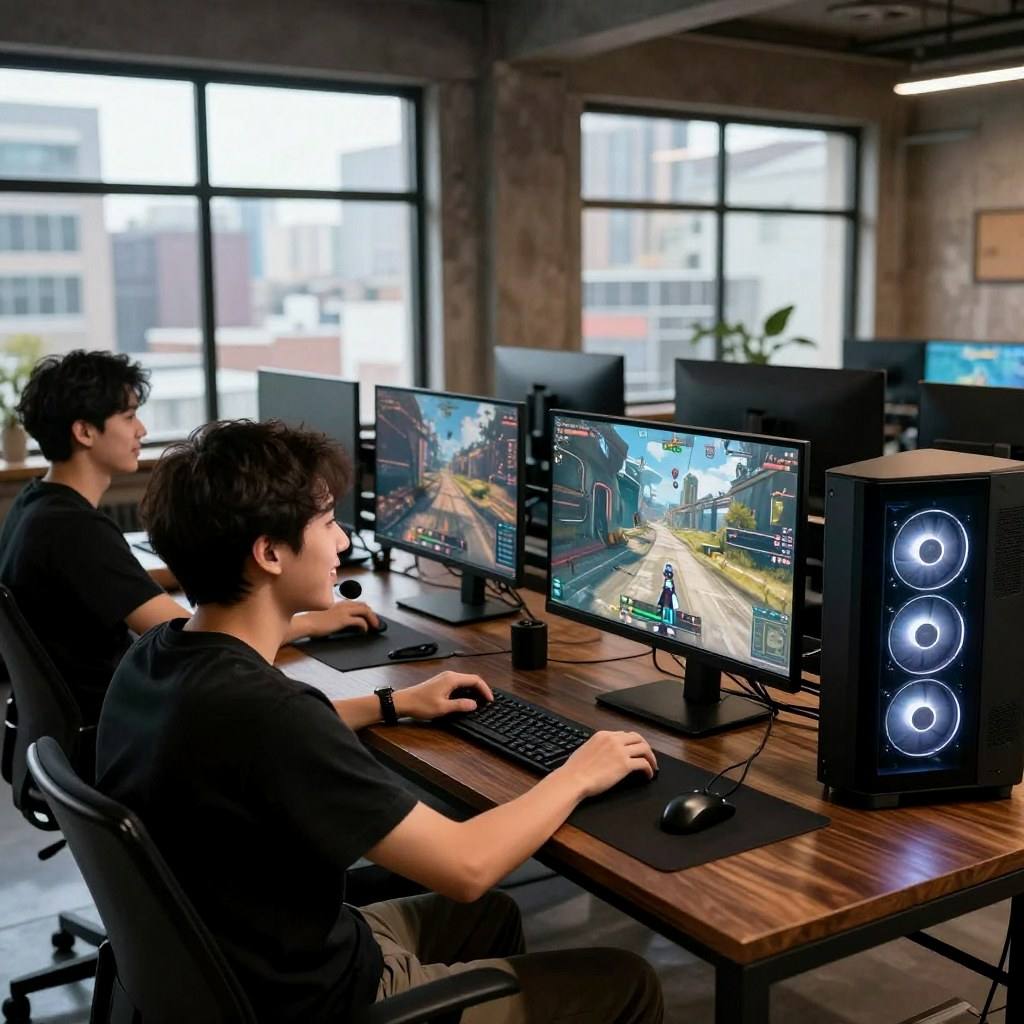
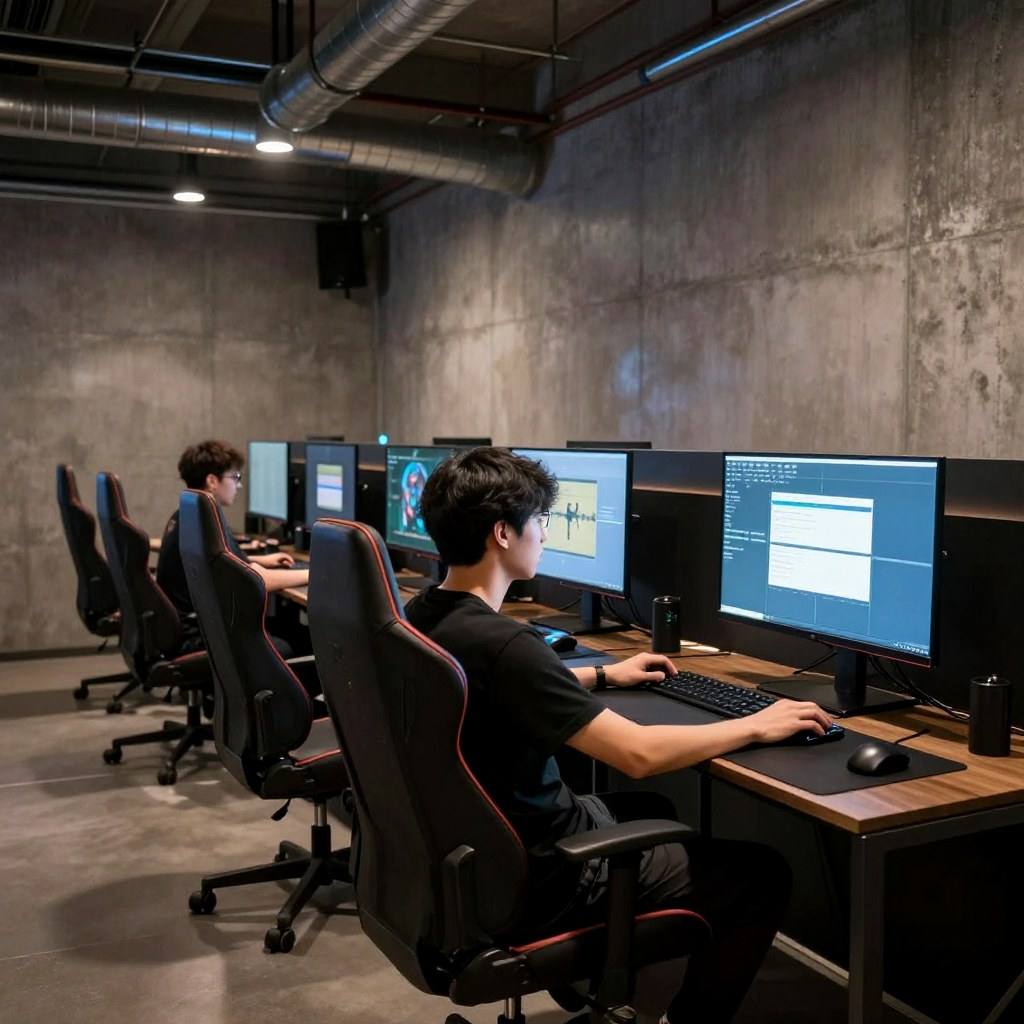
Dim industrial-chic club with rows of black desks and blue-lit dual monitors on exposed concrete house floor — measured monthly

CH-02 // THE RIGS

Three rows, three trade-offs

Pick the seat that matches how you play. Each row is honest about what it gives you and what it costs. The display value on every card is the last click-to-photon we measured for that setup, to the tenth.

0.0ms
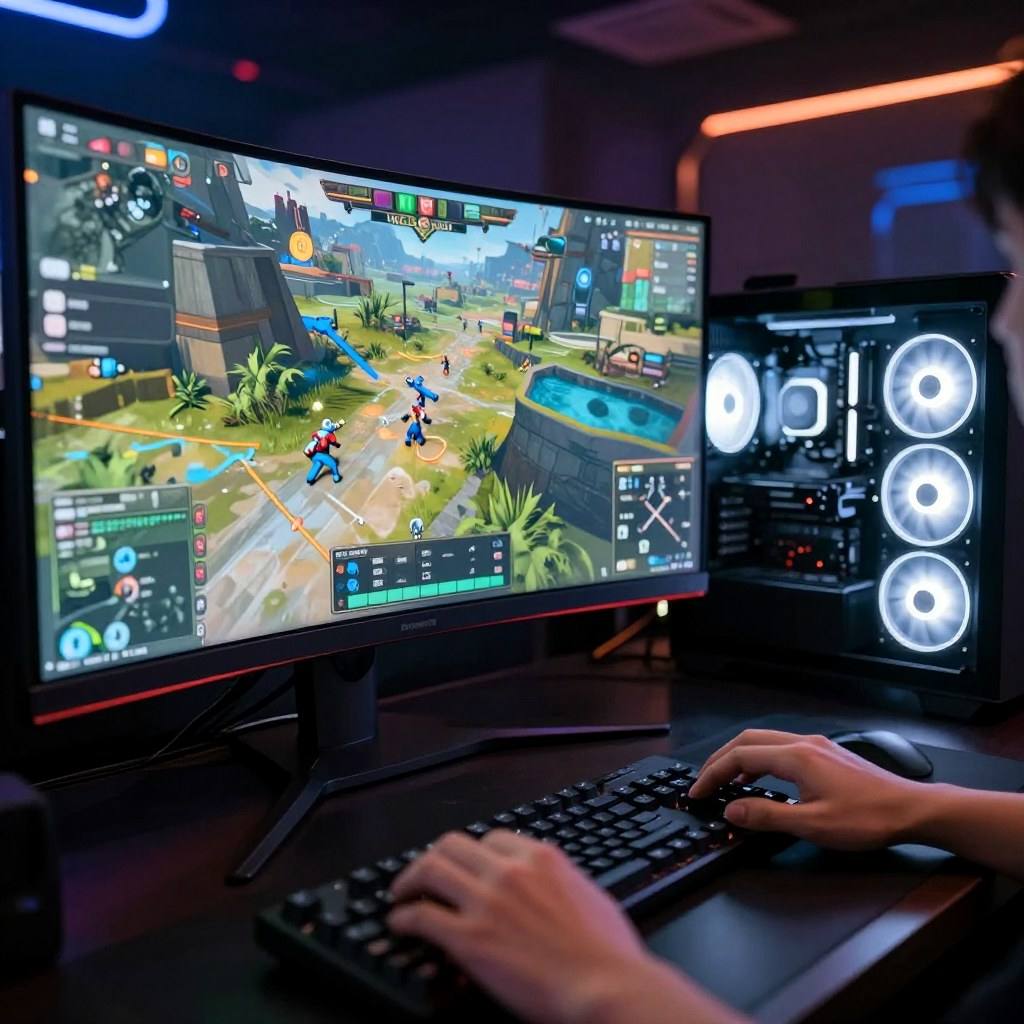
Single dark station with a blue-lit monitor in an industrial club row

540Hz row

The fast lane. 540Hz panels, wired switches, minimal overlays. Built for players who want the flattest line in the building and will notice the difference.

  • SENSOR — 540Hz TN, low-persistence
  • INPUT — wired mouse, 8000Hz poll
  • CHAIN — trimmed background, fixed refresh
0.0ms
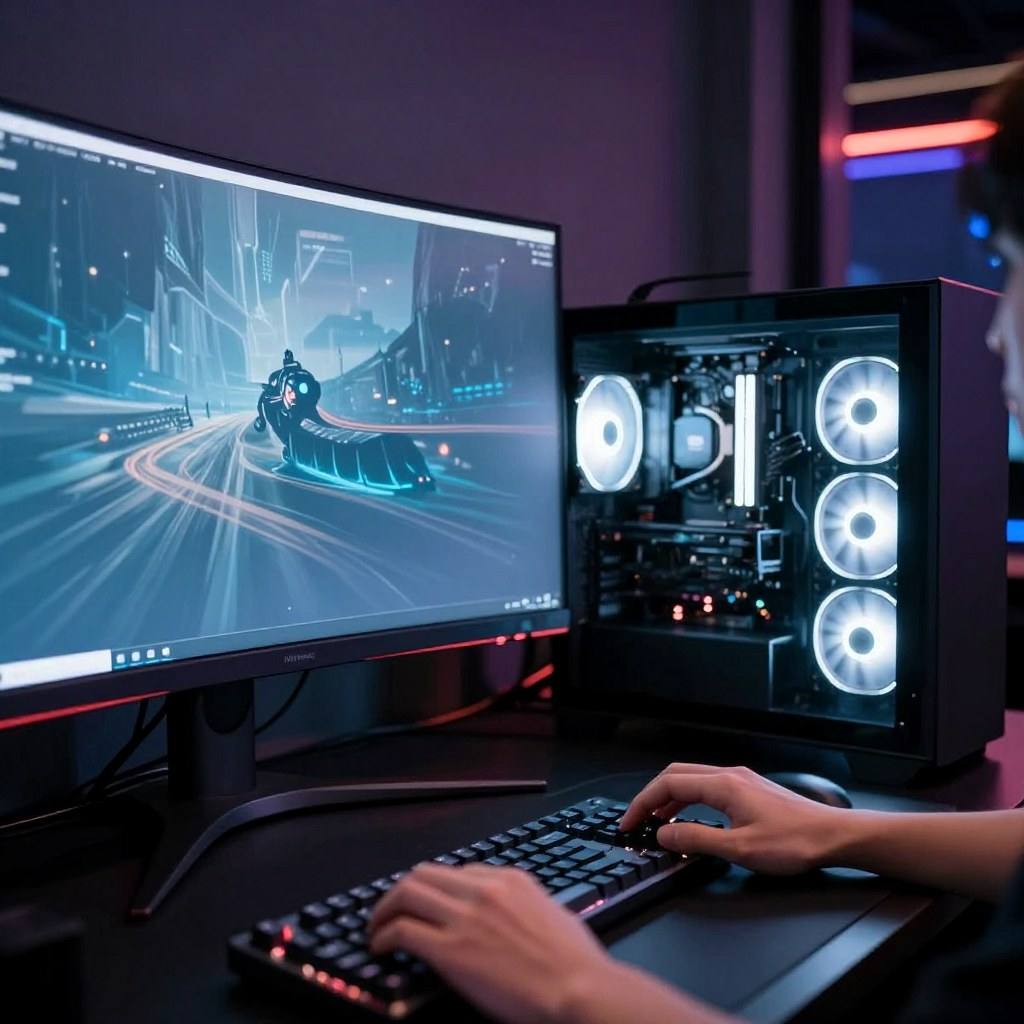
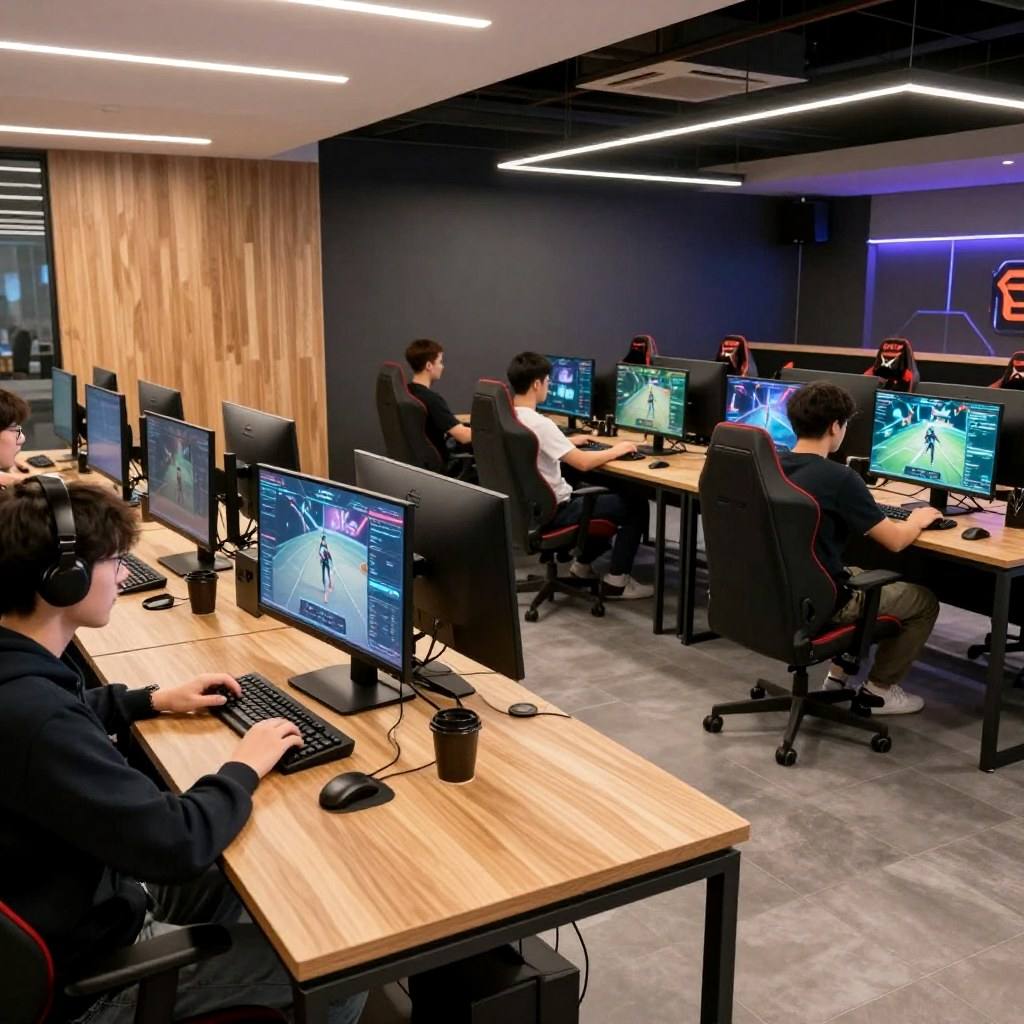
Player seated side-on at a dark wood desk with a dual-monitor gaming setup

Wired standard

The everyday seat, and the one most people should book. 240Hz, fully wired, comfortable, and still a good chunk quicker than a typical home setup. No compromises you would feel.

  • SENSOR — 240Hz IPS, calibrated
  • INPUT — wired mouse and keyboard
  • CHAIN — clean OS image, weekly reset
noradio
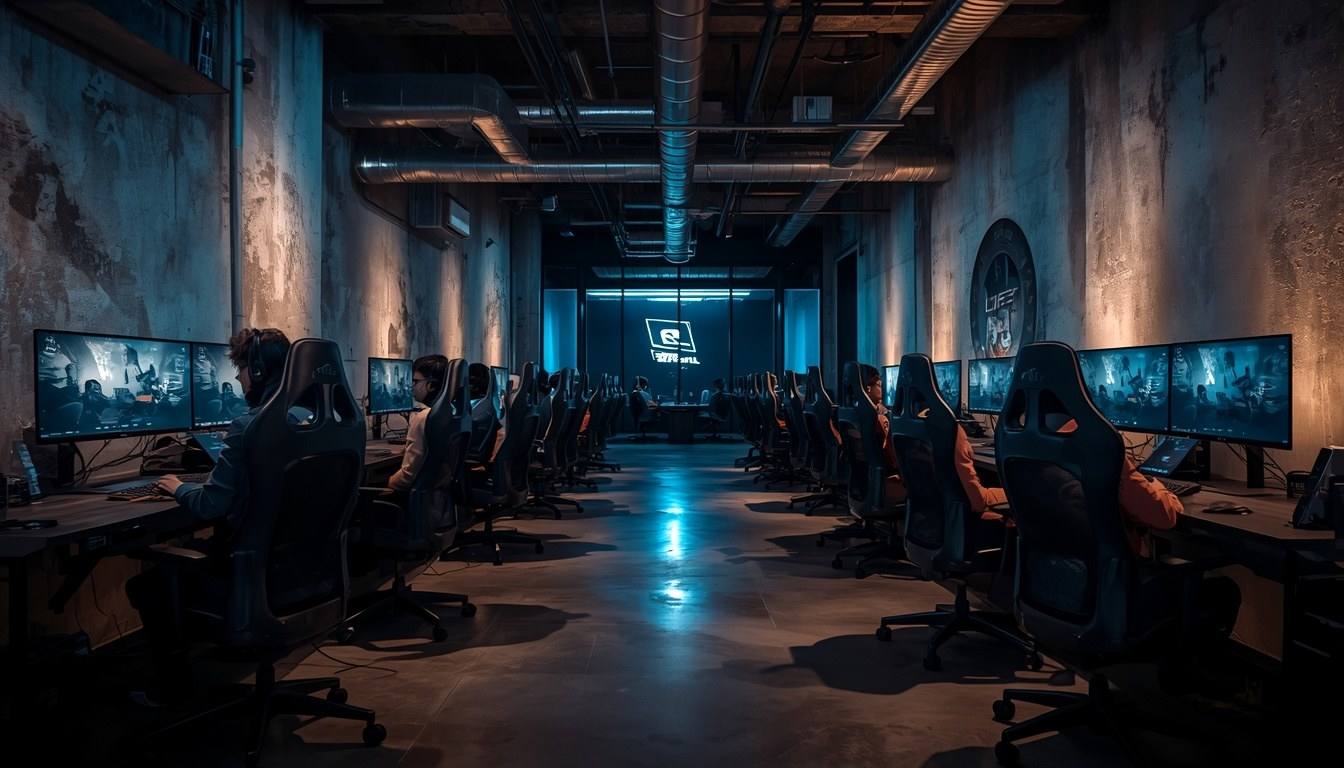
Close-up of hands on a mechanical keyboard in front of a gameplay monitor

Analog corner

A quiet corner with wired peripherals and zero wireless anything — no dongles, no Bluetooth, no radio in the room. For purists who want the calmest signal we can build and like it plain.

  • SENSOR — 165Hz, matte, glare-free
  • INPUT — cabled only, felt-lined desk
  • CHAIN — no wireless devices permitted

CH-03 // THE BENCH

Measured, not promised

The bench sits right by the door. A high-speed sensor watches the screen while you click, counts frames between the switch and the pixel change, and prints your real click-to-photon in about three minutes. It reads your mouse, your monitor, your whole chain — not a spec sheet. It is free with any booking, and you can watch every frame get counted. Bring your own gear and we will measure that too, before and after a tweak, so a setting change costs a number instead of a feeling.

Book the free bench test

last walk-in reading

0.0ms

click-to-photon, 540Hz row, ±0.3 ms

CH-04 // HONEST NUMBERS

The device table

These are the house peripherals, measured on the bench, no marketing attached. Best readings in green, slowest in red. We refresh the whole table every month and spot-check after any update — the date on each row is the day we took it.

Measured click-to-photon latency for house devices
DeviceConnectionClick-to-photonMeasured
540Hz row mouseWired, 8000Hz2.4 ms2026-06-30
Wired standard mouseWired, 1000Hz4.1 ms2026-06-30
Analog corner mouseWired, 1000Hz5.6 ms2026-06-28
House keyboardWired, 1000Hz3.3 ms2026-06-30
Loaner controllerWired USB9.8 ms2026-06-27

Numbers carry a ±0.3 ms margin. Panels warm, drivers shift, so we re-run rather than trust yesterday. Ask any staffer to measure a seat while you watch.

CH-05 // WIRED RULES

Why everything runs on a cable

Stability beats convenience here. Wireless is close on a good day, but it adds a handshake and the odd retransmit, and those land as jitter on the bench. A cable gives a flat, repeatable line — the same number today and next week.

Cabled seats only

Every peripheral is wired and strain-relieved. Cables are routed, labelled, and checked on the monthly pass so nothing drifts loose mid-session.

Your gear, checked

Bring your own mouse or keyboard and we run it on the bench first. If it adds latency or jitter, you see the number and decide — no guessing.

Repeatable, not lucky

We chase the flattest line, not the single best spike. A seat earns its place on the table by holding the same reading across many runs.

CH-06 // CALIBRATION DIARY

What we changed lately

A short log of the tweaks that moved a number. We keep it public so you can see the club is maintained, not just marketed.

  1. 2026-06-30

    Reflashed the 540Hz row

    New mouse firmware landed, so we reflashed all six seats in the fast row and re-ran the bench on each. The row dropped from 2.7 ms to a steady 2.4 ms, and the run-to-run spread got noticeably tighter.

  2. 2026-06-18

    Post-update spot check

    A graphics driver update shipped, so we spot-checked the wired standard seats before opening. Two held at 4.1 ms, one had crept to 4.6 ms; a clean profile reset put it back in line with the rest of the row.

  3. 2026-06-05

    New pads, less friction

    We swapped in low-friction desk pads across the standard row. It does not touch click-to-photon, but glide is steadier and travel is more even — the kind of small, honest gain we would rather name than oversell.

CH-08 // SIGNAL FAQ

Straight answers

The questions we actually get at the bench, answered without spin.

What is click-to-photon?

It is the full delay from the moment your switch actuates to the moment light changes on the monitor. We film the screen with a high-speed sensor, count the frames, and print the number. No firmware self-reports, no vendor claims — just what the camera saw.

Why no wireless at all?

Wireless is convenient and, on a good day, close. But it adds a polling handshake and the occasional retransmit, and those show up as jitter on the bench. We trade a little convenience for a flat, repeatable line you can count on every session.

Can I use my own settings?

Yes. Bring your config, your DPI, your polling rate. We keep per-seat profiles and never overwrite them. If you want, we measure your setup before and after a change so you can see exactly what that tweak actually costs in milliseconds.

Will this help my rank?

Honestly, a little. Lower, steadier latency removes one variable, but aim, reads, and decisions do most of the work. We would rather set the right expectation than sell you a shortcut that does not exist. It helps; it is not a cheat code.

How often do you measure?

The house rigs get a full pass every month, plus a spot check after any driver or firmware update. Every number on the table carries the date it was taken. If a reading looks stale, ask and we will re-run it on the bench while you watch.

CH-09 // BOOK

Book a rig

Pick a row, add the free bench test if you want your number, and we will hold your seat. We reply by email — measured, not promised.